
With interest rates being what they are, I’m thinking about debt differently. When rates were low, I was pretty pro fixed-rate debt, as long as that rate <3.5%. But nowadays, it’s time value of money is a much more significant effect.
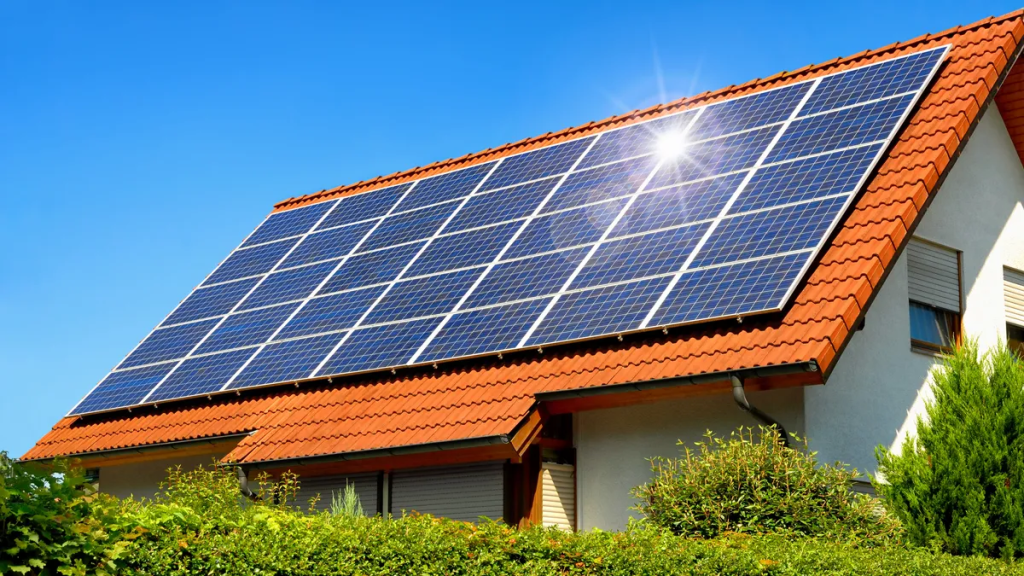
This has come up for me because I’m considering installing solar on my house, but the financing options make it much more difficult to try to analyze the many different ways to go about it. A solar panel system directly offsets utility expenses, so I’m comparing the financed monthly cost with the cost offset from running the system (plus the credits I would get from my state). The main point of going solar would be to liberate cash from day 1 onward. There’s no need to think too deeply about time until return on investment, because there’s no upfront cost.
That’s not the case these days.
…but with significant interest rates
Today’s prime rate is about 8.25%, which is…not small. That makes the details of the financing much trickier, because I do not want to let my debt ride at that rate.
Kind of like a mortgages, solar finance companies give you ranges of rate options. You can “buy down” your interest rate by paying upfront costs, which the solar company will finance for you by increasing your loan balance. This can lower your monthly payment (and total cost), but increase the size of your debt.
This is great if you plan to pay the monthly minimum until the end of the term. It becomes a disadvantage if you think you may want to prepay the loan by a) overpaying the monthly payment, b) refinancing the loan when rates drop, or c) selling the house. The effect is worse the earlier in the term of the loan you prepay. I suppose for the lender, this seems like a fair tradeoff, because any of those prepayments will be paying down those capitalized finance charges.
What’s the strategy?
With low rate debt, I would just get the longest possible term and let the debt ride. Whatever option creates the best monthly cash flow wins. I wouldn’t consider prepaying because it would be better to put any excess cash to work investing.
Now I’m thinking about it a bit differently. I would assume that I’ll prepay the loans by overpaying and by looking to refinance in the future. All viable options liberate some cash on a monthly basis. I would overpay my monthly bill by whatever that expected savings is, so that the whole system is completely cash neutral, compared to my electrical expense without solar. Then, the idea is to try to figure out at what point the loan is paid off, because from that day forward, the system is producing pure cash with no cost, which is the moment of positive return-on-investment.
Is this actually better? Hard to say. I think the way to compare letting the loan ride vs prepaying would be to look at the cumulative sum of the net present value of cash generated for every single month of the life of the system for both options. Sounds complicated, right? I’m probably not going to understand the sentence I just wrote when I re-read it a month from now.
To be continued
I’ll try to update this in the future with actual examples from two solar offers I have on the table.

 Never Down, Always Up