

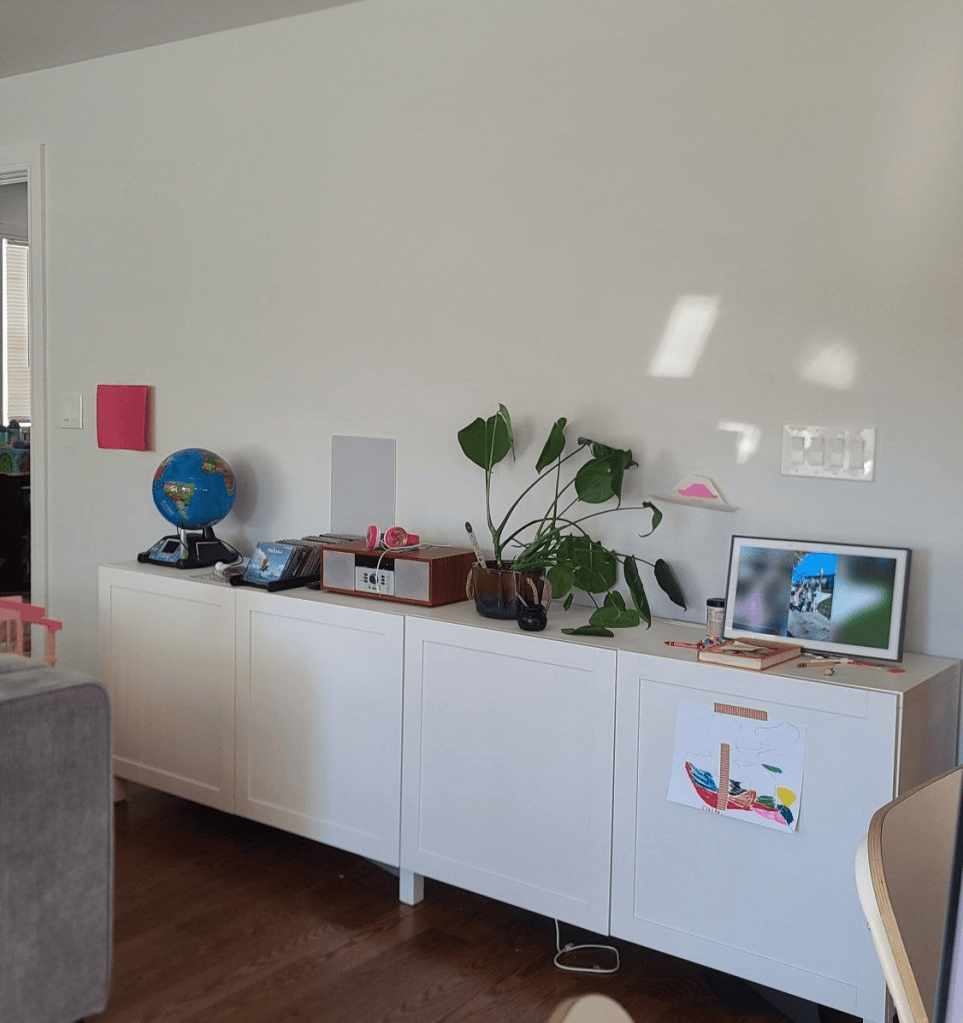
Three years ago, my family moved into our expanded and renovated home. We still have blank spaces on the wall that I would love to fill with beautiful art. It shouldn’t be so hard!
A missed connection
I used to work at Artsy. Our mission was to make art accessible to anyone with an Internet connection. We certainly made it easier for anybody to browse art online, but for the most part, we served the existing art market. We brokered gallery and auction sales for 4-to-6 figure amounts of money. Artsy never became a billion-dollar company, despite being a core part of the art world, in which more than $50 billion dollars gets transacted every year.
But the vast majority of people do not participate in the art market. If they did, this marketplace could be far larger. Whoever could facilitate this could become very wealthy.
The hard part about selling art
Selling art is hard because it is a market place of unique objects. The goal is to find the very small number of people who badly want a given art work. For artists and works that are widely known, this can be done by including the work in a public auction. For lesser known artists and new works, galleries serve the role of cultivate a set of interested buyers. Either way, this requires a ton of expertise and marketing.
For unknown artists, the cost of marketing would be more than what the work could sell for, and marketplaces can’t meaningfully exist. This is why there are starving artists. Alternatively, unknown artists can make works for popular tastes, and these are the works often found at low-end galleries in vacation towns.
A golden opportunity
The Internet could change that equation. We have no lack of artists or people who love art. We just don’t have the ability to match-make between them.
Let’s take my blank wall space. My dream is that it would be possible to find art that matches:
- My taste, with the caveat that I don’t have the art education to articulate what I like
- The design context of my family room
- Our budget, which is low end
- Our life experience
That last point is most interesting. When I think about the art that my wife and I have collected, our pieces are generally low-end works that we stumbled upon in our travels. For one reason or another, each work spoke to us, and we value them because they remind us of the joy of discovery and the experiences connected with that discovery.
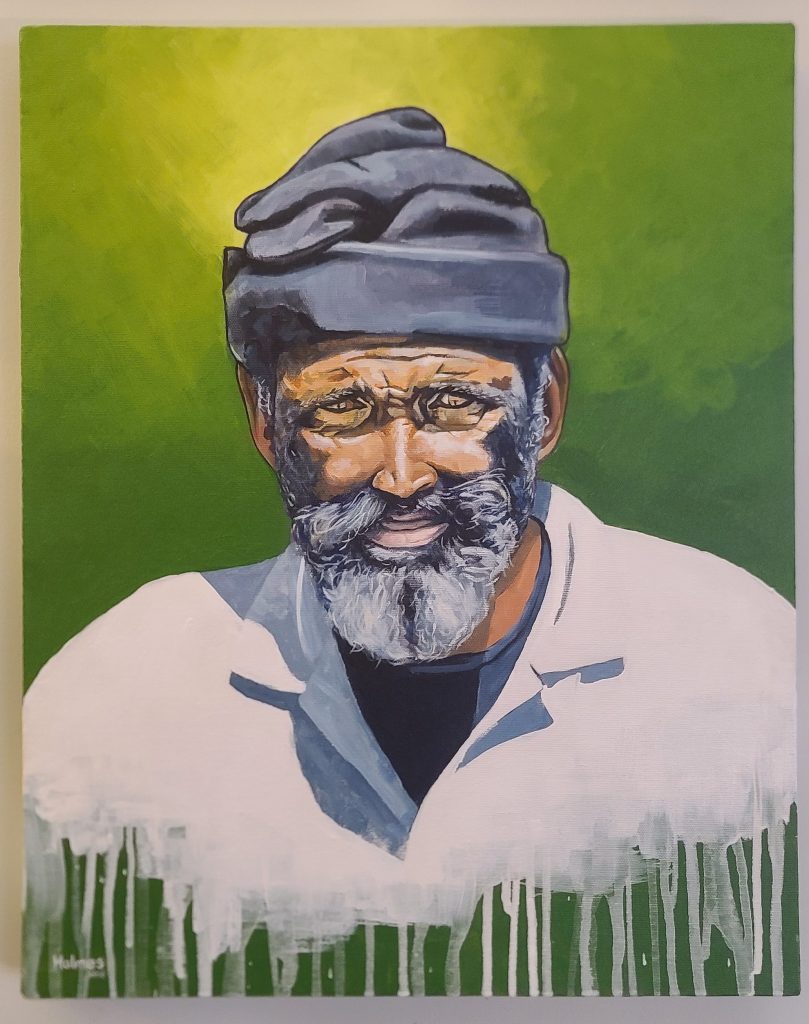
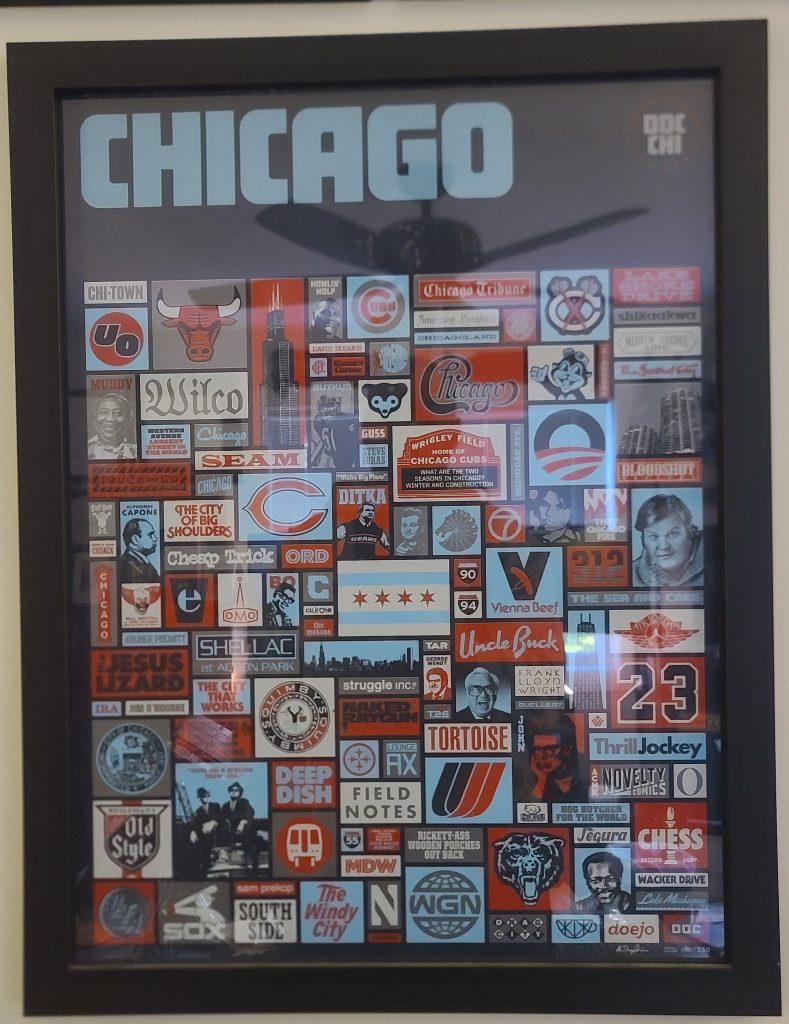
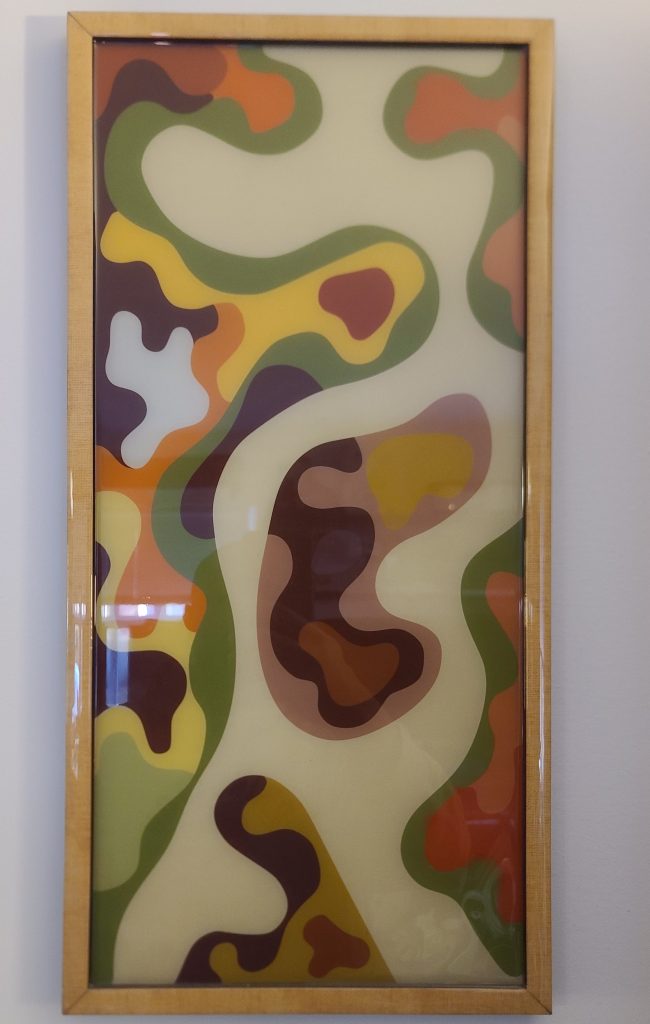
The Internet can’t quite replicate the serendipity of stumbling upon a beautiful artwork in a market in Cape Town while on an incredible trip to visit my sister. The in-person experience of discovery will always be special. But the Internet also has some advantages over the real world.
On the Internet, it is much easier to find and maintain global community. It’s easier to build a connection with artists. It’s easier to discover works you could never find.
What we need
Back when I was at Artsy, one of my coworkers suggested hosting Master of Fine Arts showcases on Artsy. I don’t know if the idea was explicitly shot down, or we simply didn’t have the bandwidth to pursue it. It certainly wouldn’t have brought in much revenue, in itself, and perhaps it may have diluted our upmarket brand. However, I remember thinking it was an awesome idea that could potentially give emerging artists early exposure and commercial opportunity. And furthermore, it might have helped us build the competency of operating in the underserved downmarket space.
Today, we could go so much further than that. Imagine if we had:
- An open catalog of artworks available for purchase. Like, a more inclusive Artsy, open to MFA students and unrepresented artists.
- An app for characterizing taste from the photos people take at public art exhibitions.
With modern AI, we could connect users directly to works, if they want to buy immediately. But we could also play the longer game of connecting users to communities, stories, and experiences, leading to the deeper experiences that might culminate in purchases further down the line.
I’m not saying this would be easy. There’s a lot of room for fraud when a marketplace is open to people without deeply invested reputations to protect. I’m sure there are loads of other issues. But I think a much bigger, much more inclusive art market is possible, and I hope someone builds it.


